
A familiar story about Lucknow’s galawat ke kebab traces the dish to a nawab who had lost his teeth. Chef Sheeba Iqbal, however, offered a different explanation at Kahaani: Foods of India — one rooted in the Persian-influenced etiquette of the royal table called adab-e-dastarkhwaan, where making a noise while chewing was frowned upon.Such stories about food, spices, lost traditions, zaike and culinary diversity were offered to Delhi during the three-day festival, organised by Aishwarya Jha and Sara Abdullah Pilot of Indophile. The second edition, held at Travancore Palace, brought together twelve community chefs and food practitioners from across India, with the focus extending beyond familiar regional staples to recipes, techniques, ingredients and food traditions rooted in homes and communities.‘There are so many kahaanis within the story of India’For Aishwarya Jha, the festival was also about documenting food cultures that risk being lost, from recipes and cooking techniques to traditional utensils and ingredients. “The idea behind this festival is really to celebrate India’s culinary heritage and to introduce people to the diversity in our culinary heritage. The inspiration comes from our mentor, whom we call Mother,” she said.
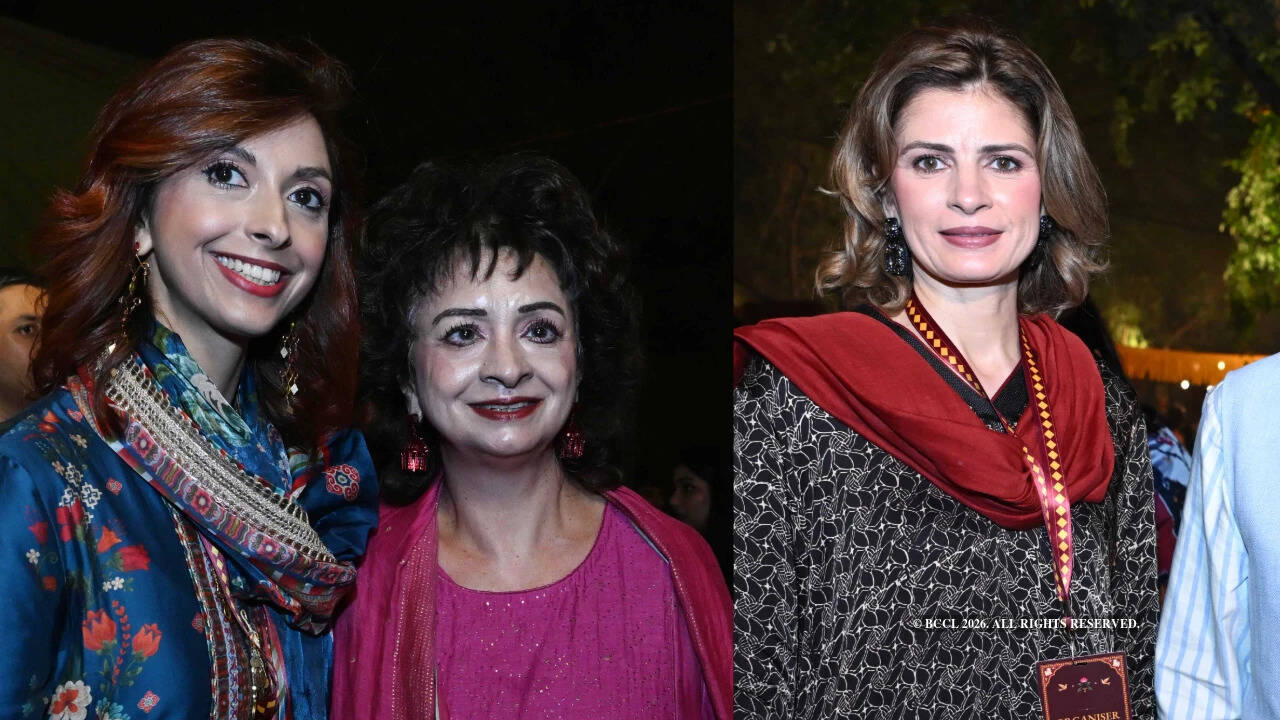
Aishwarya Jha, Guru Ma and Sara Abdullah Pilot
Sara noted, “The journey began last year with Delhi’s story. This time, it focused on so many kahaanis that exist within the story of India. While we’ve not managed to squeeze in all the states that we want to because there’s an unending kahaani. One doesn’t feel satisfied because even during the festival we kept feeling, ‘Oh, Andhra se koi nahi tha, Tamil Nadu se nahi aaye…’ Having said this, you can’t have one person from one state and feel like you’ve represented that state. There’s so much diversity even in one state. If you and I live in the same building, and you cook rajma, it’s going to be completely different. So that’s what we’re trying to bring alive with every edition of Kahaani.”
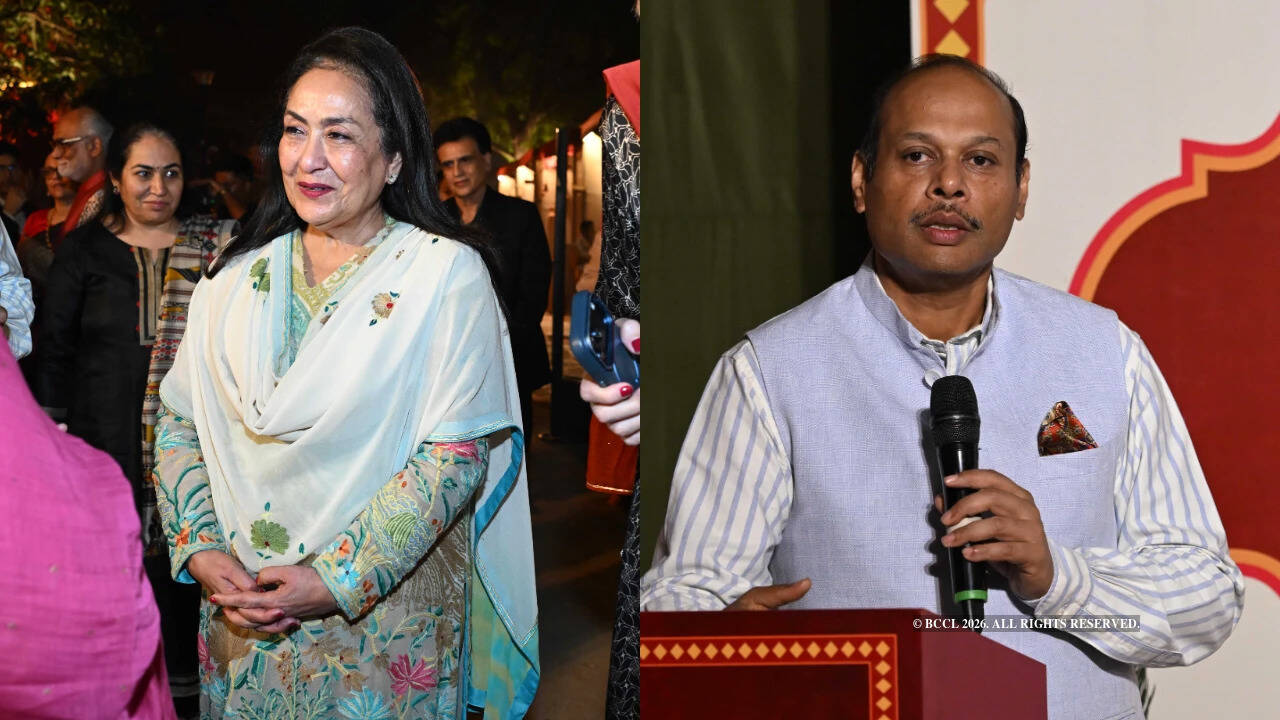
Jyotsna Suri and Vivek Aggarwal
The curators deliberately brought in cooks who were working within their own communities rather than established celebrity chefs. “We really wanted to choose chefs who are not celebrity chefs or who don’t have big restaurants and all that, and who are actually doing meaningful work within their communities to keep their history and their stories alive,” said Aishwarya.Every dish carries a different storyThrough food, panel discussions and a mela, the festival showed how India’s food story exists below the familiar — in household recipes, community kitchens, forest ingredients, cooking techniques and the small differences that can change from one home to another.Chef Sheeba Iqbal from Lucknow served yakhni pulao, sheermal with korma and galawat ke kebab, along with shami and chicken boti kebabs. On the commonly used term “galawati”, she said, “There’s no such thing as galawati. It is galawat ke kebab. Galawat is the marinade, in which papaya is used, and that is what we call galawat
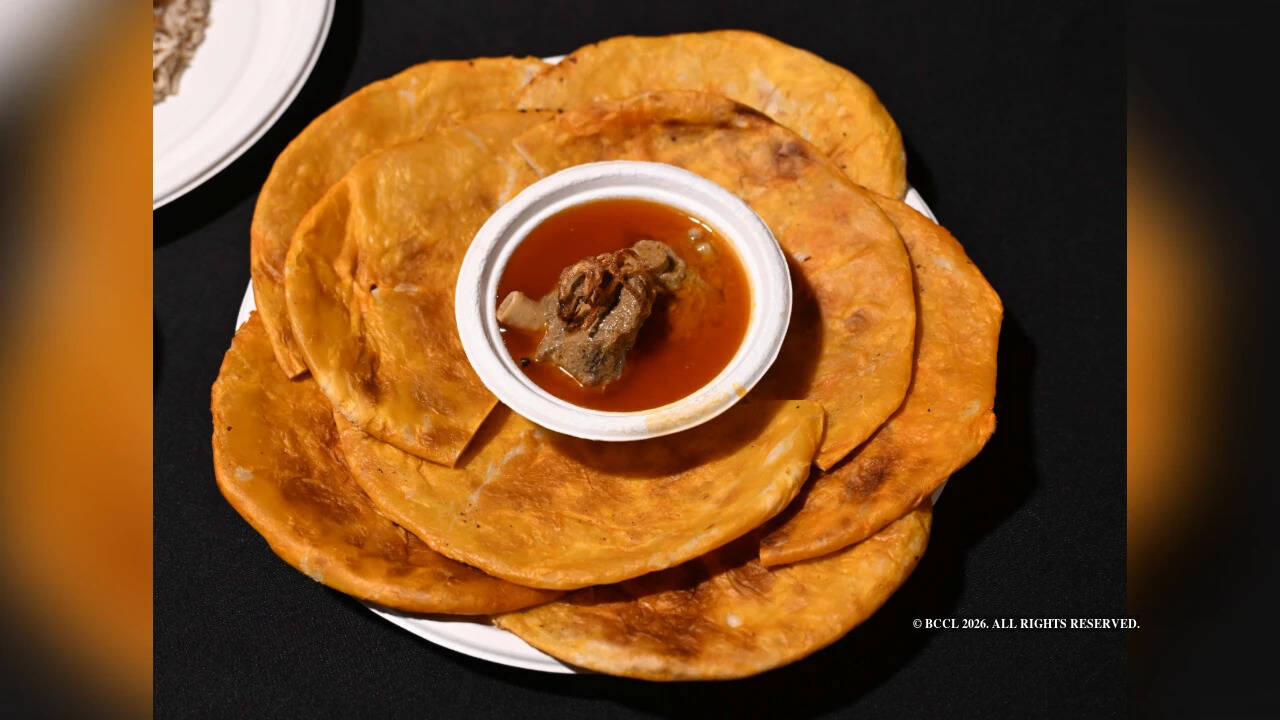
Chef Sheeba Iqbal from Lucknow served sheermal with korma
From Nubra Valley, Jigmet Mingur brought thenthuk, thukpa and khambir, a traditional Ladakhi bread served with apricot sauce, along with dishes from Balti cuisine. He said, “I brought traditional Ladakhi food to the table because I want more people to understand what Ladakhi cuisine is”
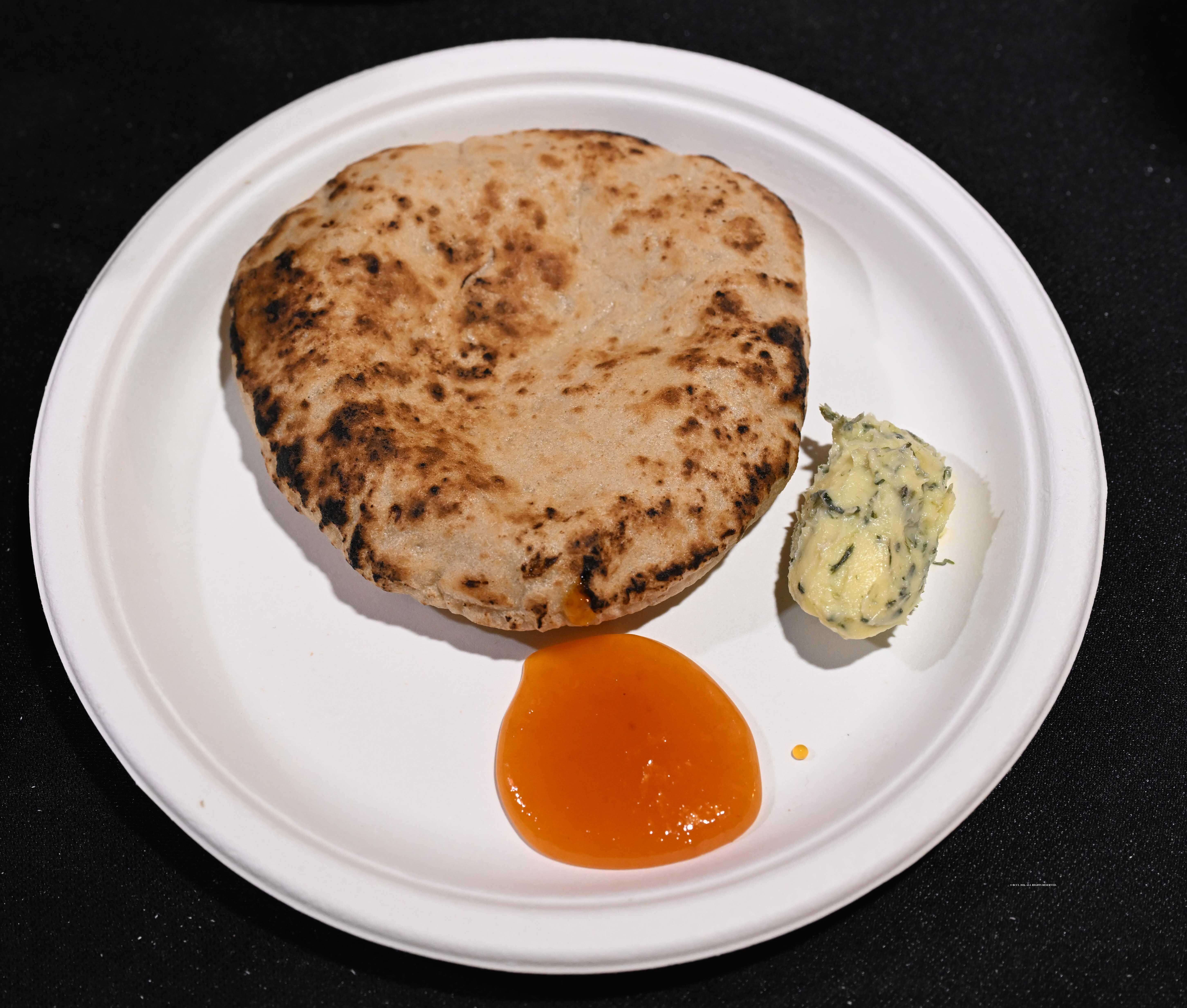
Ladakhi khambir with apricot chutney
Through The Open Field’s Tribal Table, Dr Manisha Oraon brought forest-linked foods from Jharkhand, including dal pitha, bamboo-shoot chutney with roasted tomatoes, ber chutney, deng saal and roselle chutney. “Roselle tea is very famous in England, right? But here we eat the flower, making chutney,” she said, sharing that through their kitchen they spotlight food from Oraon, Munda, Santhal, Ho and Asur communities.
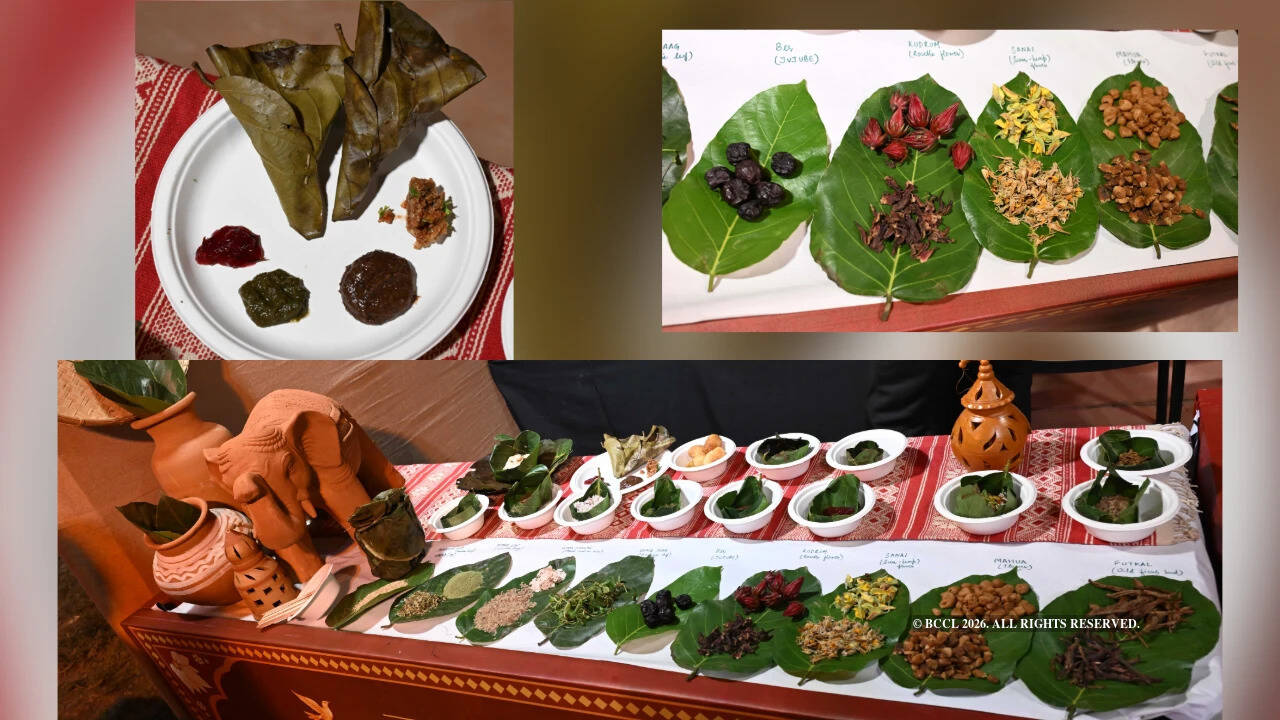
Through their kitchen Dr Manisha is spotlighting food from Oraon, Munda, Santhal, Ho and Asur communities
“This raw mango curry, served with appam, is something which I don’t think anybody would have eaten anywhere. It’s a recipe which is very specific to my home. I draw inspiration from the home-style cooking of Kerala’s Christian and Malabar communities,” said Bangalore-based chef Tresa Francis, who brought family recipes, including raw mango curry, banana fritters with curry, kandari chamandi and steamed tapioca.
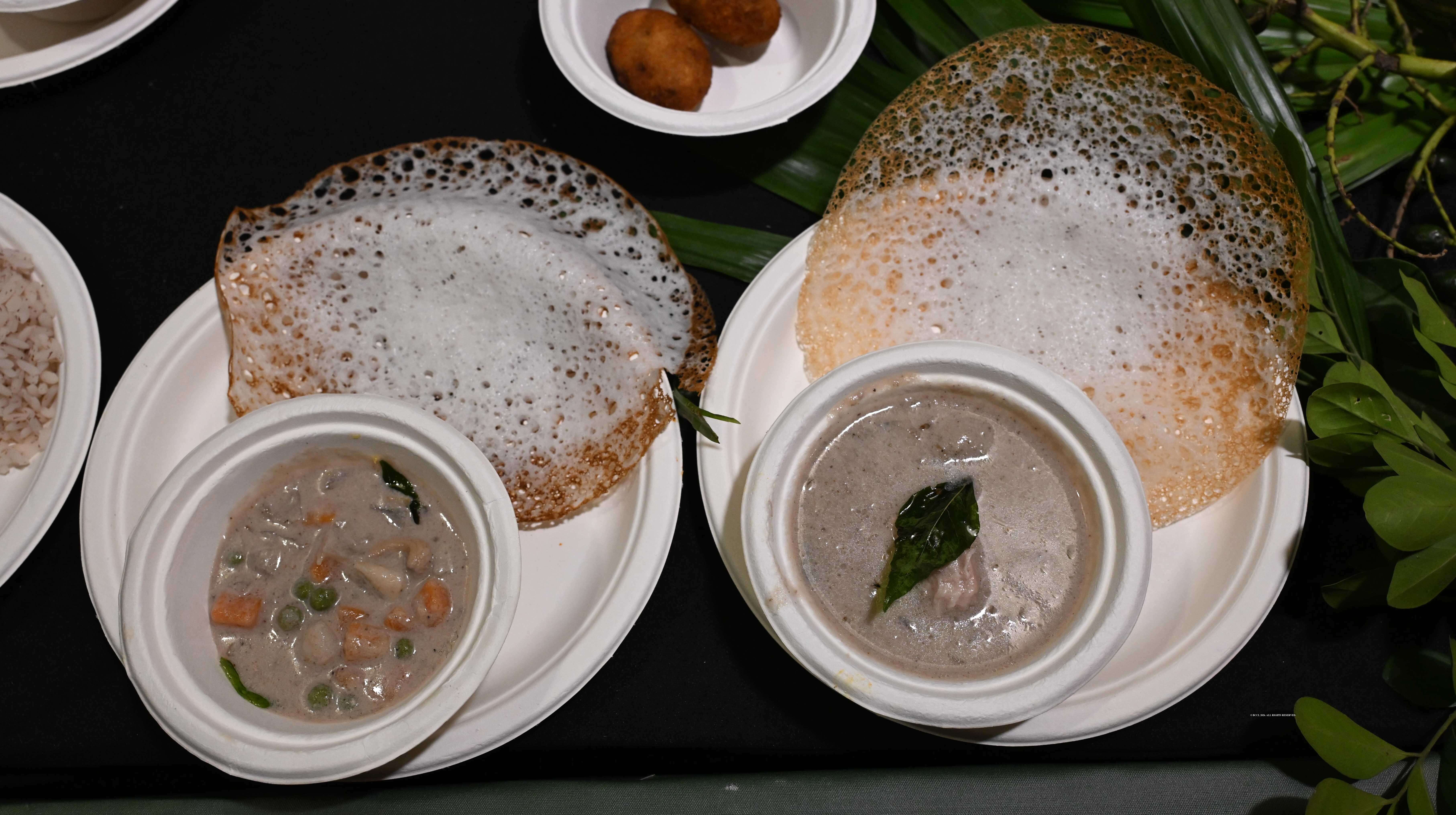
Bangalore-based chef Tresa Francis brought family recipes from Kerala to the fest
Chef Punita Pritesh Desai brought together food from South and North Gujarat, Kutch-Saurashtra and Charotar, with dishes including Surati locho, Surati ghari, Kathiawadi khichdi-kadhi, undhiyu, lasaniya batata, sev tamatar, kaju karela, phulwadi, mohanthal and regional chutneys. The spread, the chef said, was designed to reflect the mix of cultures within Gujarat, with sweet, sour and spicy flavours appearing across the meal.
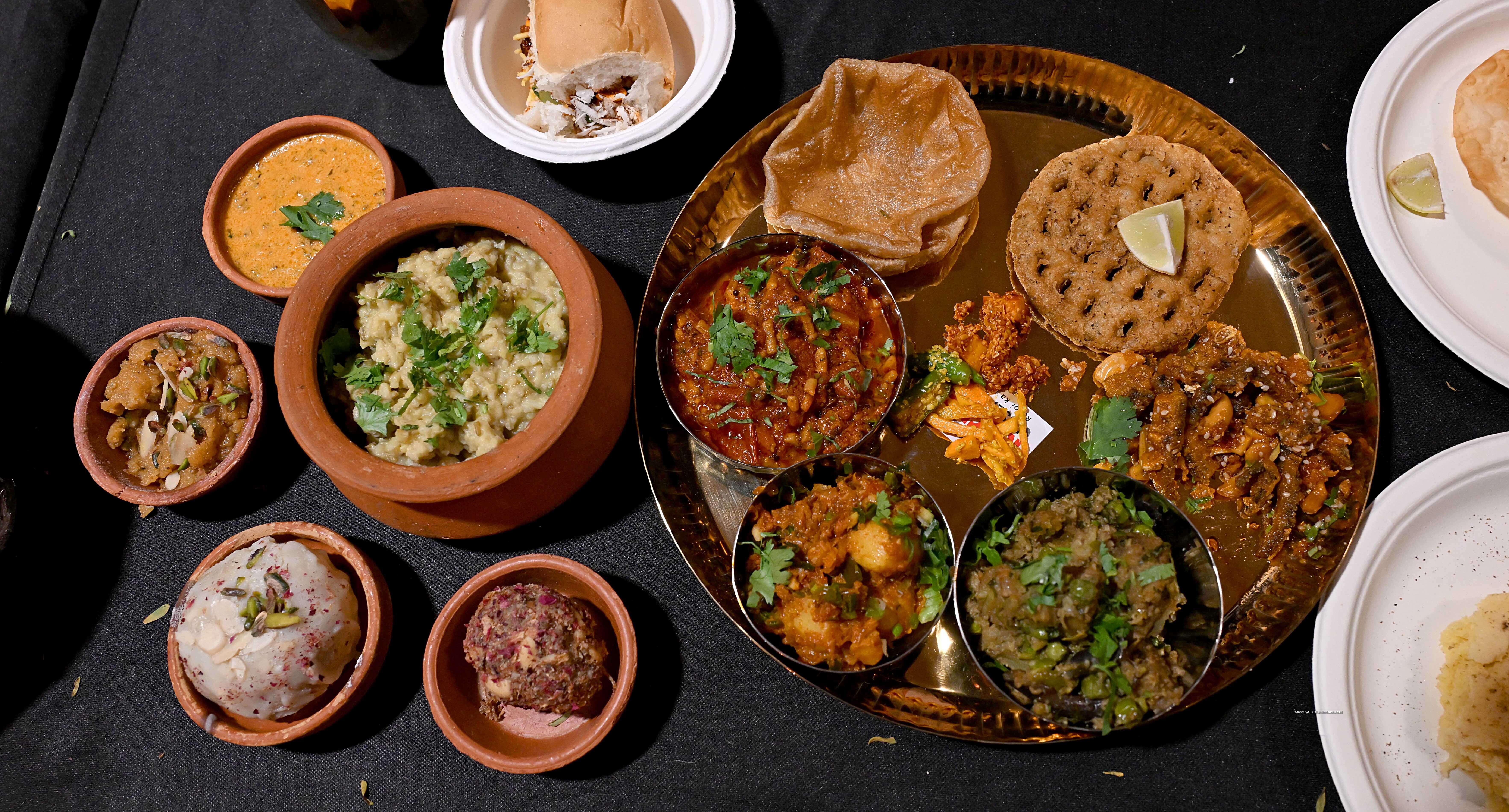
Chef Punita Pritesh Desai brought together food from South and North Gujarat, Kutch-Saurashtra and Charotar
Chef Shubhra Shankhwalker’s Konkani spread was inspired by the Gaur Saraswat Brahmin community’s food. “My family has a traceable history of around 250 years, and the idea is to keep family recipes alive. The menu here included some of the coastal classics, including dishes like the stuffed mackerel, hog plum, kolambi dangars (prawn cutlets), serradura and uddamethi (a raw mango curry made with coconut milk).”
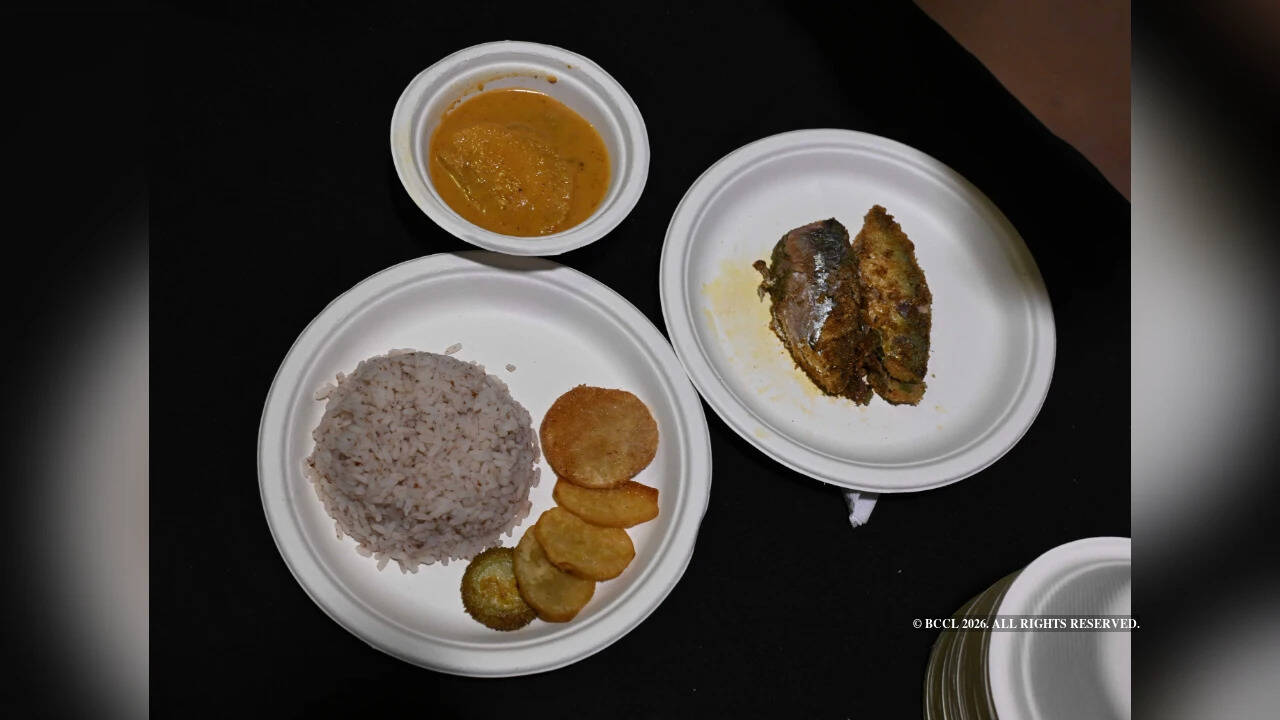
Chef Shubhra Shankhwalker’s Konkani spread was inspired by the Gaur Saraswat Brahmin community’s food
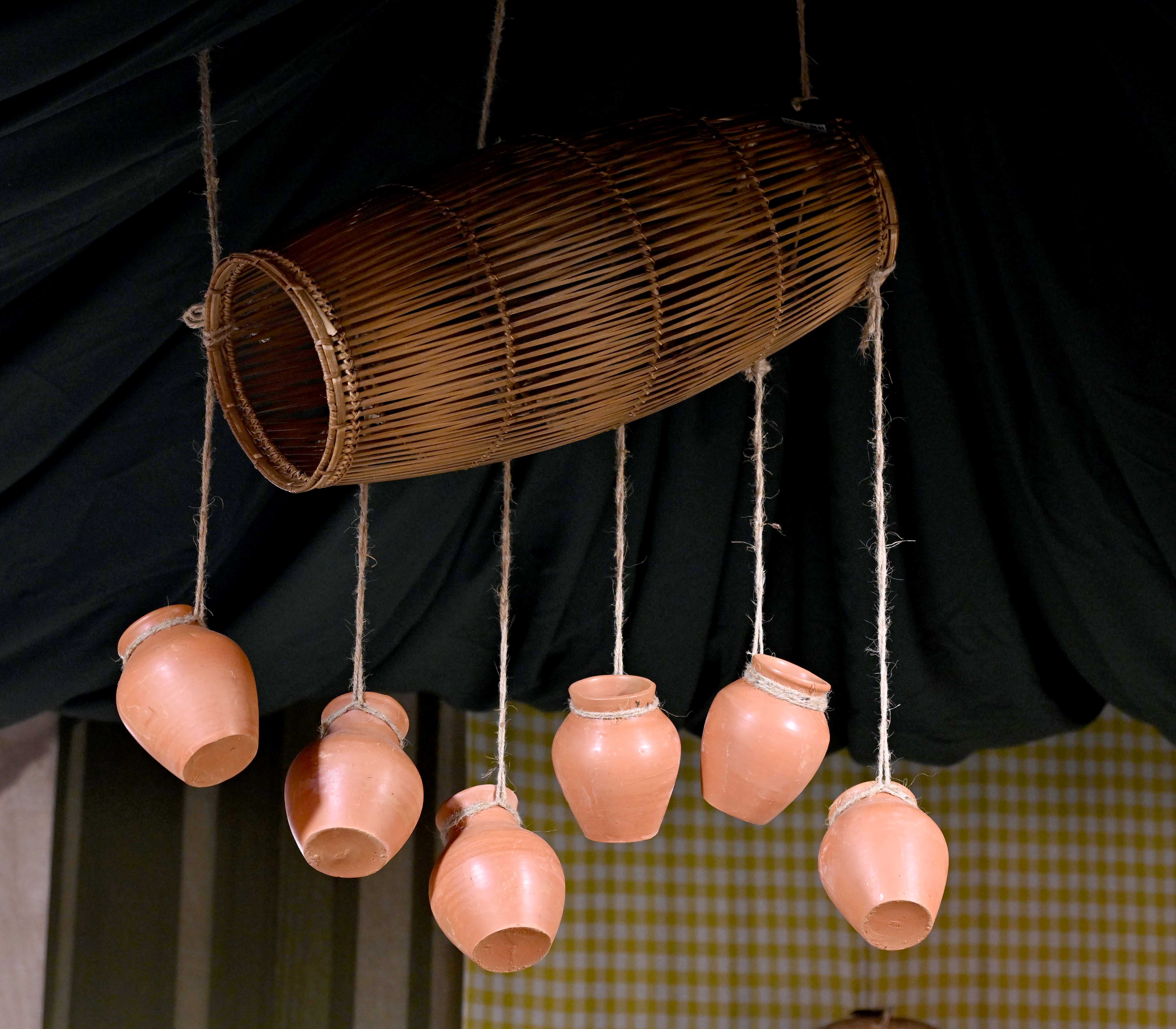
Each stall was curated to showcase the local crafts of the state
Join The Discussion