
[ad_1]
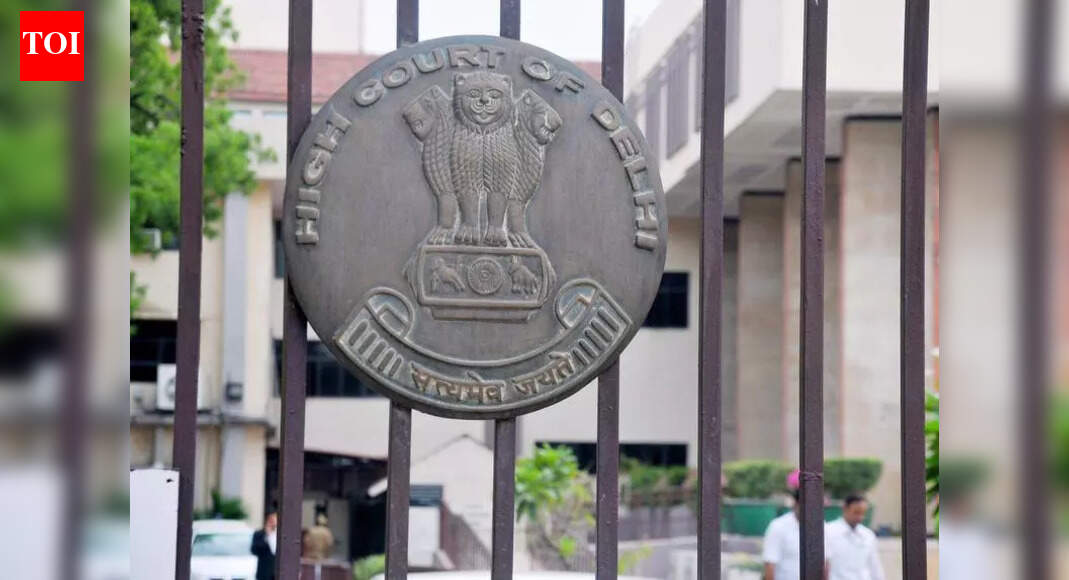
New Delhi: Delhi High Court has warned that continued delays in implementing key reforms across govt-run hospitals could seriously affect healthcare services in the Capital and jeopardise the lives of citizens. The court flagged Delhi govt’s failure to implement recommendations made by a court-appointed panel of medical experts and summoned the health secretary to explain the lapses. A special bench of Justice Prathiba M Singh and Justice Manmeet PS Arora, during a hearing earlier this week, expressed concern over what it described as a “substantial delay” in providing even basic medical services, including radiological diagnostic facilities, in city hospitals. The bench also took strong exception to the slow rollout of the NextGen e-hospital application, a hospital management software intended to improve access to healthcare information. The NextGen e-hospital application was envisaged to provide patients with real-time information on the availability of beds, including ICU and HDU beds, as well as the availability of doctors and emergency services across govt hospitals. However, the court noted that the prolonged delay in implementing the system had undermined its very purpose. “The entire purpose of implementing the said application has been defeated due to the substantial delay, which is completely unacceptable to the court,” the bench observed, stressing that the application is critical for the effective delivery of emergency services in Delhi. The court underlined that the recommendations of the Dr SK Sarin Committee, constituted earlier by the court to suggest reforms in the public healthcare system, must be implemented “in letter and spirit”. The committee had, among other measures, recommended the establishment of a central control room to provide real-time information on the availability of ICU and HDU beds to ensure timely access to critical care. Cautioning that the continued inaction was likely to adversely impact health services, the bench said it could place citizens’ lives at risk. “Accordingly, let the health secretary, GNCTD, be present in court on the next date of hearing, specifically with instructions regarding the NextGen e-hospital application and radiological testing services,” the HC directed in its latest order.The bench recalled that the suo motu proceedings were initiated due to the lack of ICU beds and the absence of reliable, real-time information for patients seeking urgent medical care. It reiterated the need for a transparent system that allows citizens to access information on the availability of beds, doctors and medical expertise during emergencies. The court also noted that despite earlier assurances by the health secretary, swift and effective implementation of the hospital management system remains pending, particularly impacting critically ill patients who are forced to move from hospital to hospital in search of ICU beds.
[ad_2]
Source link



Join The Discussion