
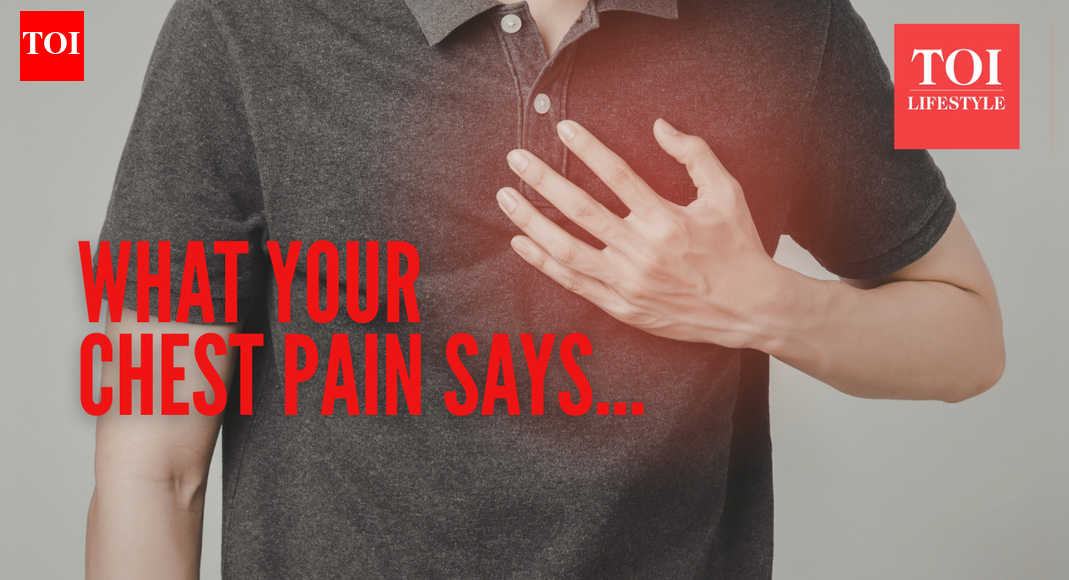
Chest pain is a symptom that instantly triggers panic, often leading people to either fear the worst or ignore critical warning signs. This makes it all the more important to understand the difference between a genuine heart issue from harmless discomfort. In a recent post on X (formerly Twitter), Delhi-based cardiologist Dr. Shailesh Singh, emphasizes that people must learn to identify the pattern of their chest pain, as intensity can be misleading.Dr. Shailesh explains that a two-second pain that comes and goes isn’t something that the heart usually produces. He adds that the pain that deserves attention is the one that appears during exertion and settles when you rest. According to Dr. Shailesh, that pattern is classic cardiac behavior because the heart struggles during physical stress and eases once the pressure reduces.

Here’s a breakdown of the key symptoms Dr. Singh highlights: The warning sign of cardiac chest pain
- Pressure, squeezing, heaviness (not sharp, not stabbing)
- Center of chest, sometimes radiating to jaw, left arm, back
- Brought on by physical activity or stress
- Relieved by rest within minutes
- Often accompanied by shortness of breath or sweating
In other words he describes how cardiac chest pain typically feels like pressure, squeezing or heaviness, not a sharp stabbing jolt. It usually sits in the center of the chest and may travel to the jaw, left arm or back. Many people also experience breathlessness or sweating along with it. These symptoms together point towards the heart asking for help.Chest pain that’s almost never cardiac:
- Sharp pain that lasts a split second
- Pain that changes when you press on your chest
- Pain that’s worse when you breathe deeply
- Pain in one specific spot you can point to with a finger
Dr Singh also highlighted the kinds of pain that are almost never cardiac. If a pain changes when you press on your chest, worsens with deep breaths, lasts just a split second or sits in one exact spot you can point to, it’s more likely to be muscular or related to the chest wall. In his words, the pattern matters more than how dramatic the pain feels. Even a mild, dull pressure during exertion concerns him more than a sharp pain at rest.Dr. Singh advises that even a mild, dull pressure during exertion is a greater cause for concern than a sharp, dramatic pain at rest. If the symptoms match the cardiac pattern, the delay in seeking medical help can be fatal.Disclaimer: This article is for informational purposes only and should not be substituted for medical advice.


Join The Discussion